The rapidly increasing global population, depletion of water resources, and the degradation of agricultural land directly threaten global food security, posing a vital risk to humanity. This situation necessitates the creation of new production areas and the most efficient management of existing resources.
Globally, approximately 70% of freshwater resources are consumed by agriculture.
This project is being implemented in high-altitude, marginal lands that have been abandoned due to harsh climatic conditions and unproductive structures. Our aim is to bring these areas back into the economy by transforming the negative effects of climate change into advantages.
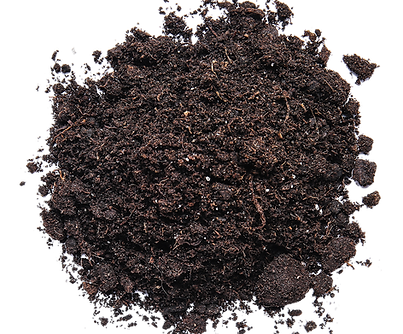
The project area is the Uzunmehmet and surrounding plateaus in the Elbistan district of Kahramanmaraş, located in the 1750–1890 meter altitude zone. This area, considered non-agricultural due to its rocky and fragmented soil structure, high stoniness, and lime content, actually possesses strategic production potential: the altitude delays vegetation growth and provides natural protection against the increased risk of late April frosts in the plains.
METHODS
Key operations and details that make up our success story.