
The Economics of Ecological Debt: Infrastructure Failure and the "Compound Contamination" of the Euphrates
Güncelleme tarihi: 26 Tem
A river is never just the volume of water flowing through it. Along its entire basin, it retains the memory of every factory, every mine, every conflict, and every failure of oversight, burying these fragments deep within its riverbed sediments. What environmental scientists call a "Compound Contamination Event"—recently observed at various points along the Euphrates River—is the chilling reality of this ecological memory being abruptly reawakened. When we place the Syrian section of the Euphrates in Deir ez-Zor side by side with its upper basin in Turkey, we witness the anatomy of an environmental crisis fed by different catalysts but advancing with the exact same lethal silence.
Deir ez-Zor: The Legacy of Conflict and the Mobilization of Toxins

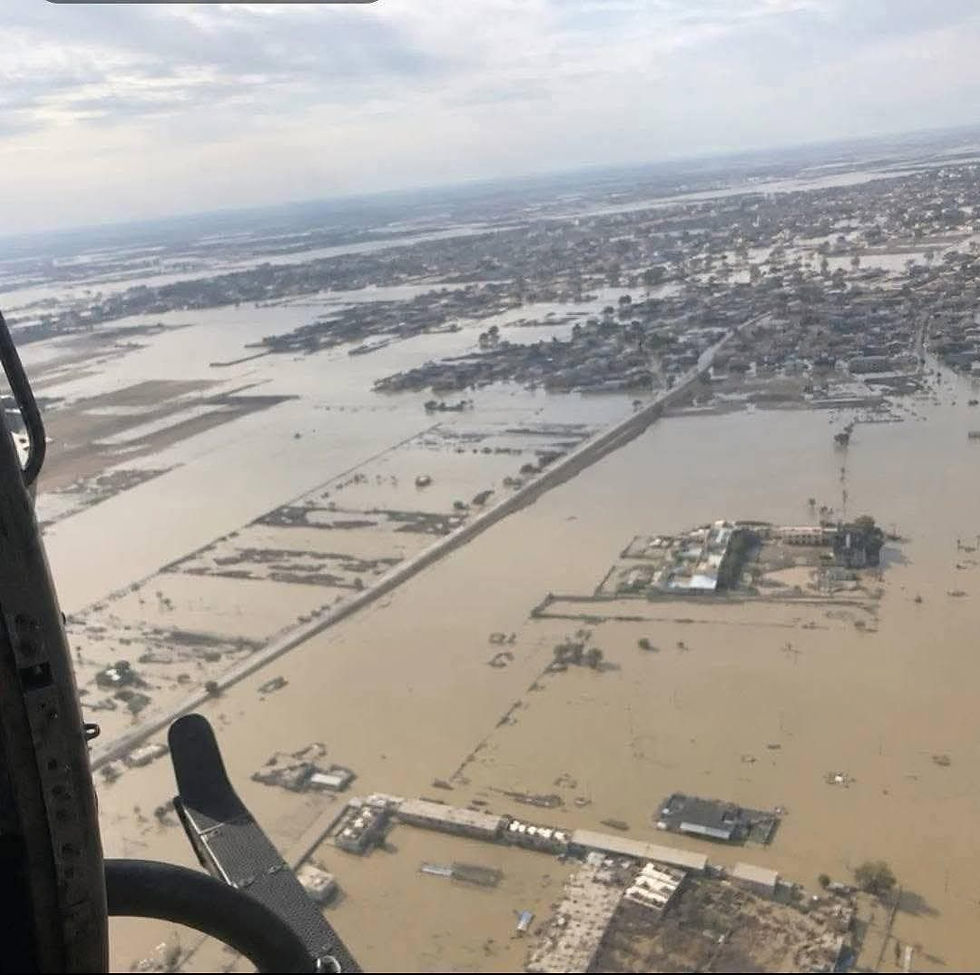
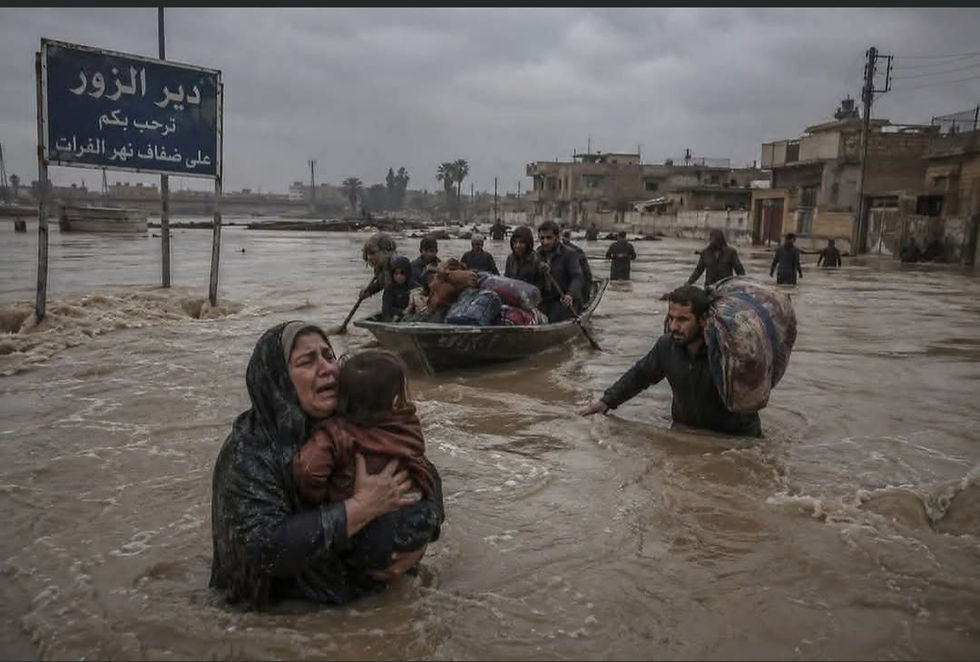
The recent flooding in Syria's Deir ez-Zor region brought a severe, underreported crisis to light. Fourteen years of civil conflict have severely damaged the region's industrial, water, and oil processing infrastructure. Over the years, makeshift local oil refining, pipeline ruptures, and unfiltered discharges have saturated the Euphrates riverbed with documented accumulations of oil residues, cadmium, copper, and chromium.
A standard flood involves the rising of relatively clean water. In Deir ez-Zor, however, the flood mobilized these dormant, toxic sediments from the riverbed. As the waters spread, these heavy metals bypassed standard barriers, contaminating agricultural land, groundwater, and making direct contact with human skin. Compounding this three-tier crisis is the complete absence of any independent environmental monitoring system to measure the toxicity levels of the floodwaters.
The Human Toll: Euphrates Watch Community Health Survey
To document this disaster and close the critical data gap on the ground, Euphrates Watch conducted the first-ever community health survey along the Euphrates River in Deir ez-Zor, documenting the firsthand accounts of 60 local residents. The empirical data collected exposes a direct correlation between conflict-damaged infrastructure and a looming public health catastrophe:
81.7% of residents reported a systematic deterioration of water quality since the onset of the conflict in 2011.
85.0% stated that their children's health has noticeably worsened due to these environmental conditions.
33.3% reported suffering from kidney and urinary diseases—medical conditions scientifically linked directly to contaminated drinking water.
71.7% explicitly stated they no longer trust their local water supply, refusing even to serve it to household guests.
The Upper Basin in Turkey: Industrial and Mining Vulnerabilities
Looking upstream to the Turkish portion of the Euphrates basin, the primary threat is not active armed conflict, but rather the intersection of intensive mining operations, heavy industrial activity, and extreme weather events driven by the climate crisis.
Industrial plants and large-scale mining operations located near the Euphrates and its key tributaries carry similar "compound contamination" risks. Past incidents, such as the heap leach pad failure and chemical pipeline leaks at the Çöpler gold mine in İliç, have underscored the vulnerability of the river ecosystem. These events present a continuous risk of cyanide, sulfuric acid, and heavy metal byproducts migrating into the local sub-basins, threatening major downstream reservoirs like the Keban, Karakaya, and Atatürk dams. Furthermore, gaps in regional wastewater treatment capacity and the structural risks associated with tailings dams contribute to a steady accumulation of chemical burdens in the river's underlying sediment.
The catastrophe witnessed in Deir ez-Zor serves as an immediate early warning for water resource management across the border. Due to global climate change, sudden, intense, and unpredictable flash floods are occurring with increasing frequency. Operating high-risk chemical processing units, cyanide-reliant mining facilities, or industrial zones directly adjacent to vital waterways creates a precarious vulnerability. If a severe flood or landslide occurs, stagnant heavy metals—such as lead, arsenic, and cadmium—along with toxic industrial sludge can be mobilized overnight. These pollutants can be carried for miles, contaminating agricultural plains, penetrating municipal groundwater networks, and entering the food supply chain.
Conclusion: Supporting Independent Data and Environmental Justice
In post-conflict Syria, severe economic constraints and fractured governance make the physical relocation of industrial infrastructure or large-scale riverbed remediation nearly impossible; interventions there are restricted to reactive crisis management. Upstream management, however, has the financial and regulatory capacity for proactive containment.
True economic sustainability requires looking beyond superficial water clarity to examine deep sediment quality. Mitigating these risks demands regular, independent monitoring of riverbed compositions, enforcing strict safety buffer zones between industrial/mining operations and natural waterways, and adopting rigorous ESG (Environmental, Social, and Governance) standards.
When institutional oversight fails or reacts slowly, independent grassroots data collection by organizations like Euphrates Watch is the only shield local communities have to document violations and advocate for environmental justice. For platforms focused on economics and sustainability like Youthfin, amplifying these verified field statistics is the first critical step toward demanding corporate accountability, preventing future compound disasters, and securing the vital ecological assets of the Euphrates basin.


Yorumlar